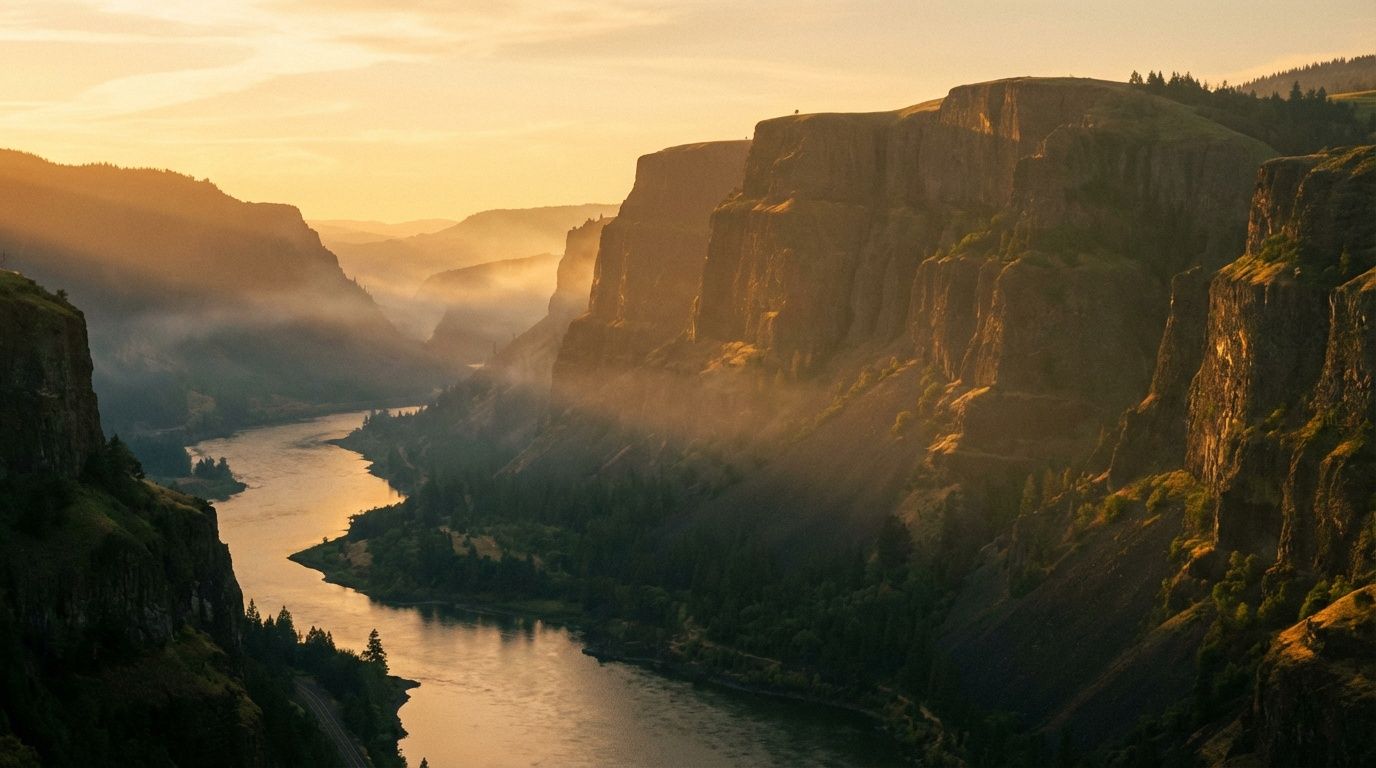
An hour south of Portland, the city disappears. The highway opens up into rolling hills, rows of grapevines stretching toward the horizon, and a quality of light that I've never quite found anywhere else in Oregon. The Willamette Valley doesn't just look beautiful — it feels like somewhere. And that feeling is everything when you're making a wedding film.
I've driven that stretch of highway more times than I can count now, camera in the back, headed to a vineyard estate or a hillside ceremony space somewhere between Portland and Eugene. Every time, the Valley reminds me why Pacific Northwest couples are some of the luckiest in the world when it comes to choosing a wedding backdrop.
This is my filmmaker's guide to getting married in the Willamette Valley — what makes it special, what to look for in a venue, and how to make sure your wedding film does justice to one of Oregon's most extraordinary landscapes.
Why the Willamette Valley Films So Beautifully
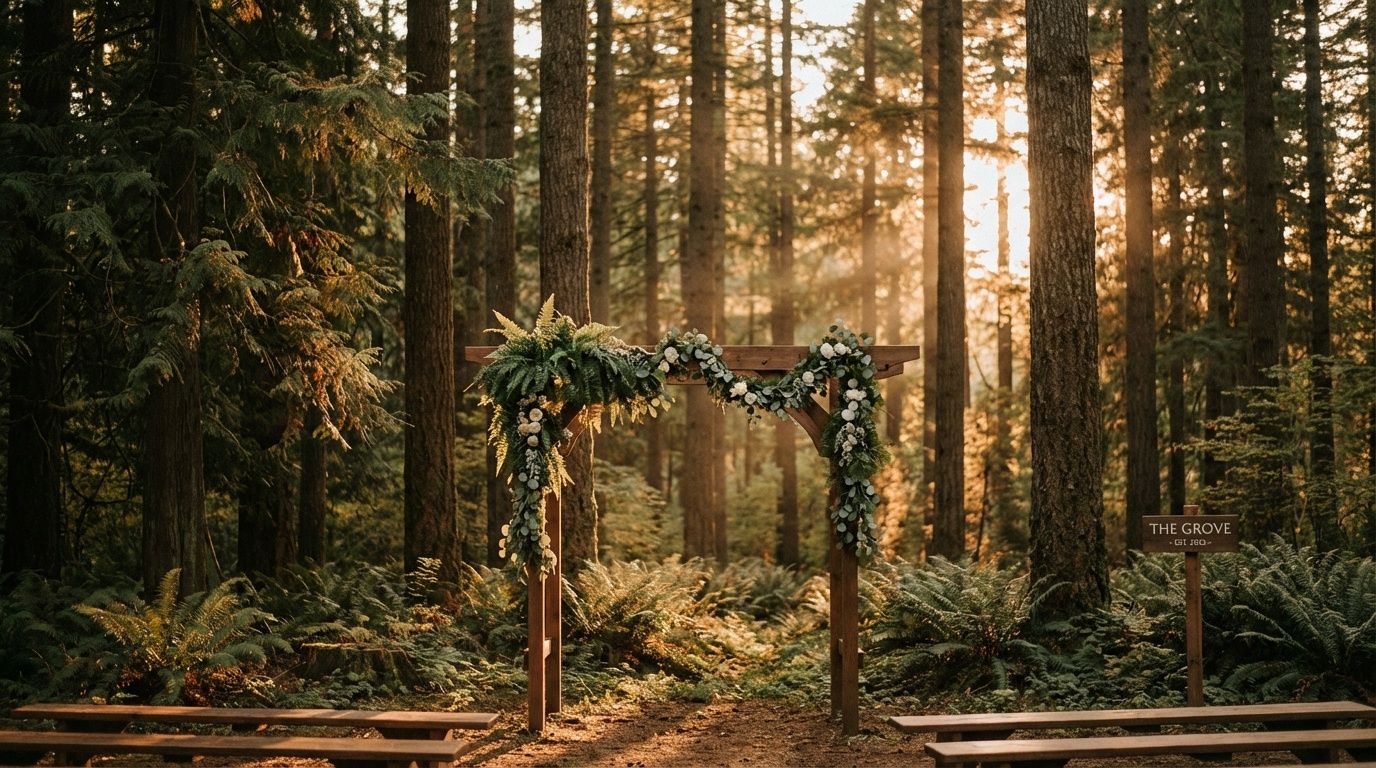
There are a few things that make a landscape cinematic. Depth — the sense that the world extends far beyond the frame. Texture — something for light to land on and reveal. And a quality of atmosphere that changes as the day progresses.
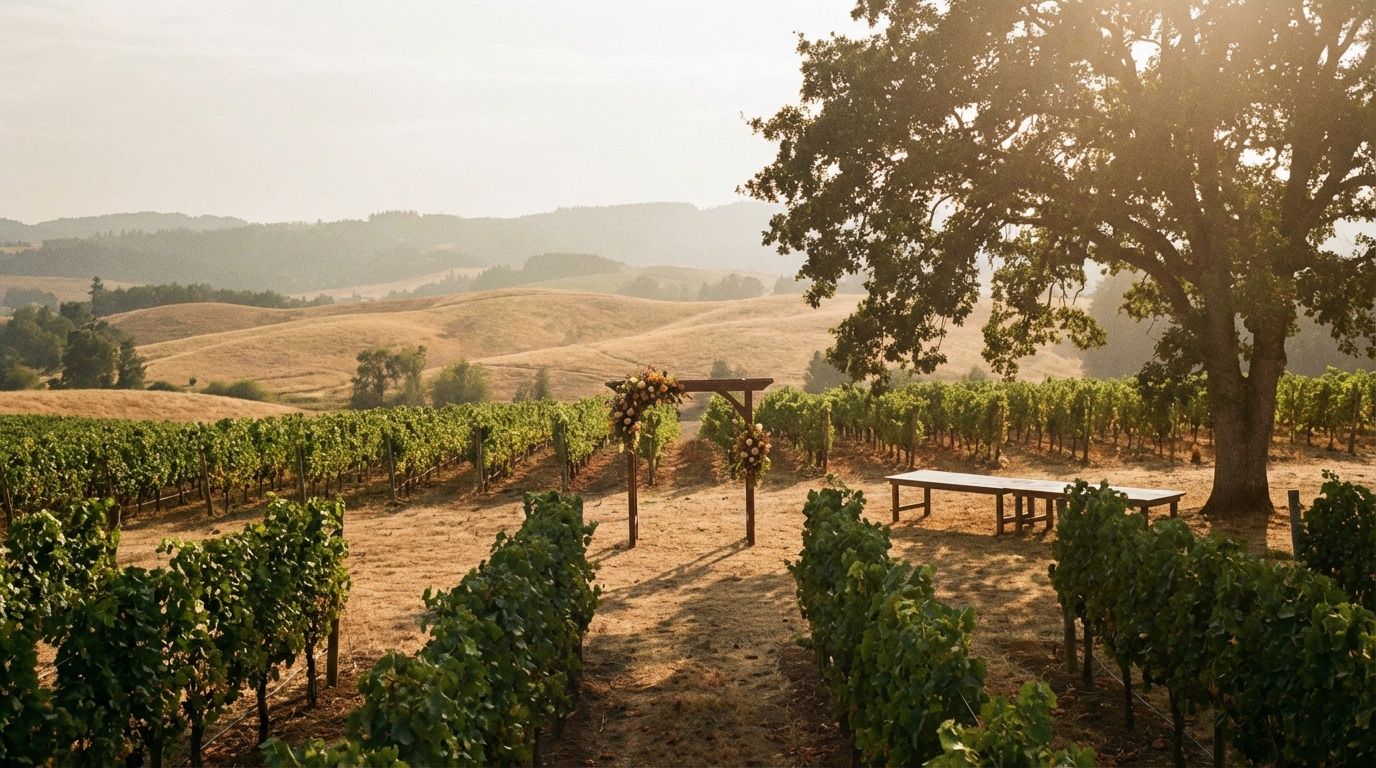
The Willamette Valley has all three. The vineyard rows create natural leading lines that draw the eye deep into the frame. The hills create elevation and drama. And the Valley's particular microclimate — often slightly hazy in summer, soft and golden in early autumn — produces a quality of late afternoon light that cinematographers would travel a long way to find.
In practical terms: if you get married in the Willamette Valley in September or October, your wedding film will look like it was lit by a professional lighting team. The Valley does that work for you.
Vineyard Estates — The Valley's Signature Venue
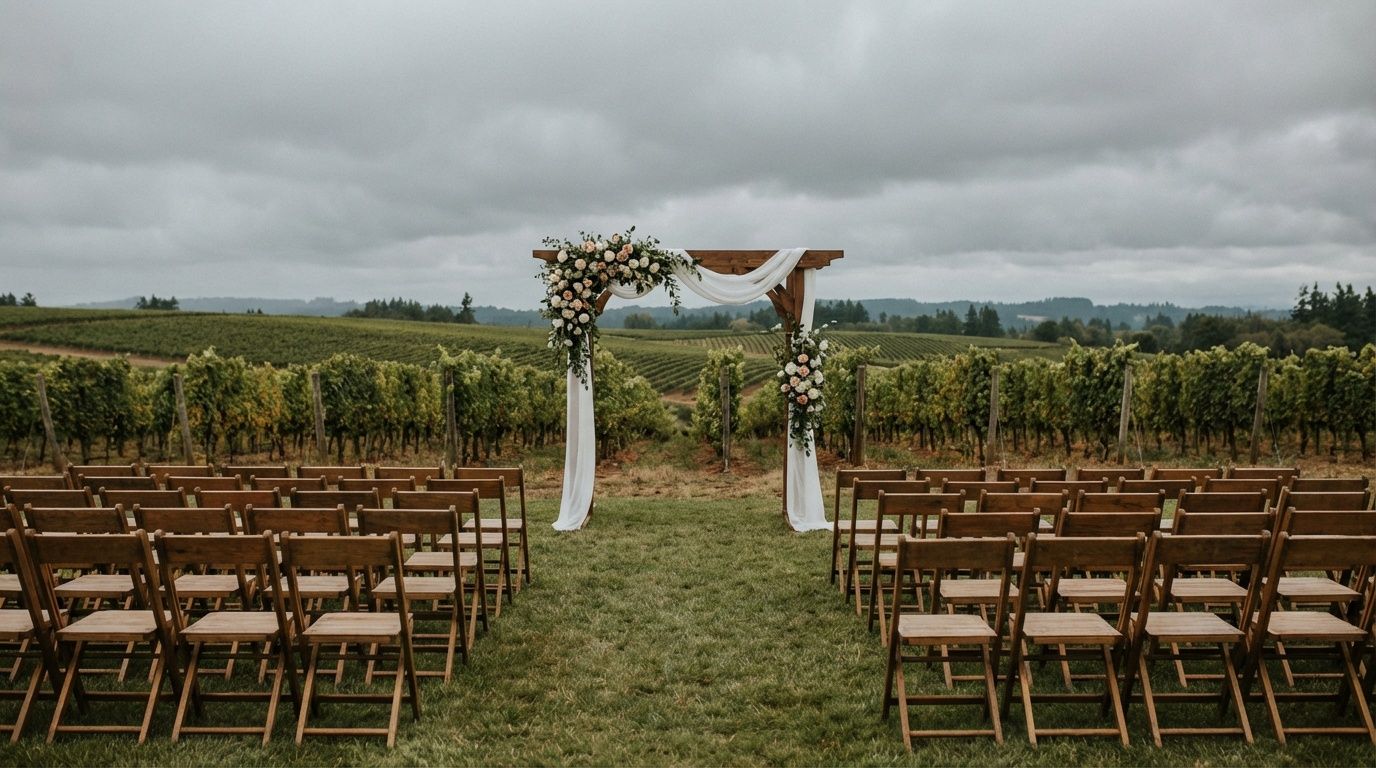
The Willamette Valley is Oregon wine country, and its vineyard estates are the defining wedding venue of the region. These are working farms — beautiful, purposeful places that have their own rhythm and character completely apart from weddings.
What that means on film: authenticity. When you get married at a vineyard estate, the setting isn't manufactured for weddings. It was there long before your day and will be there long after. That permanence shows in the footage — it gives the film a sense of place that purpose-built event venues rarely achieve.
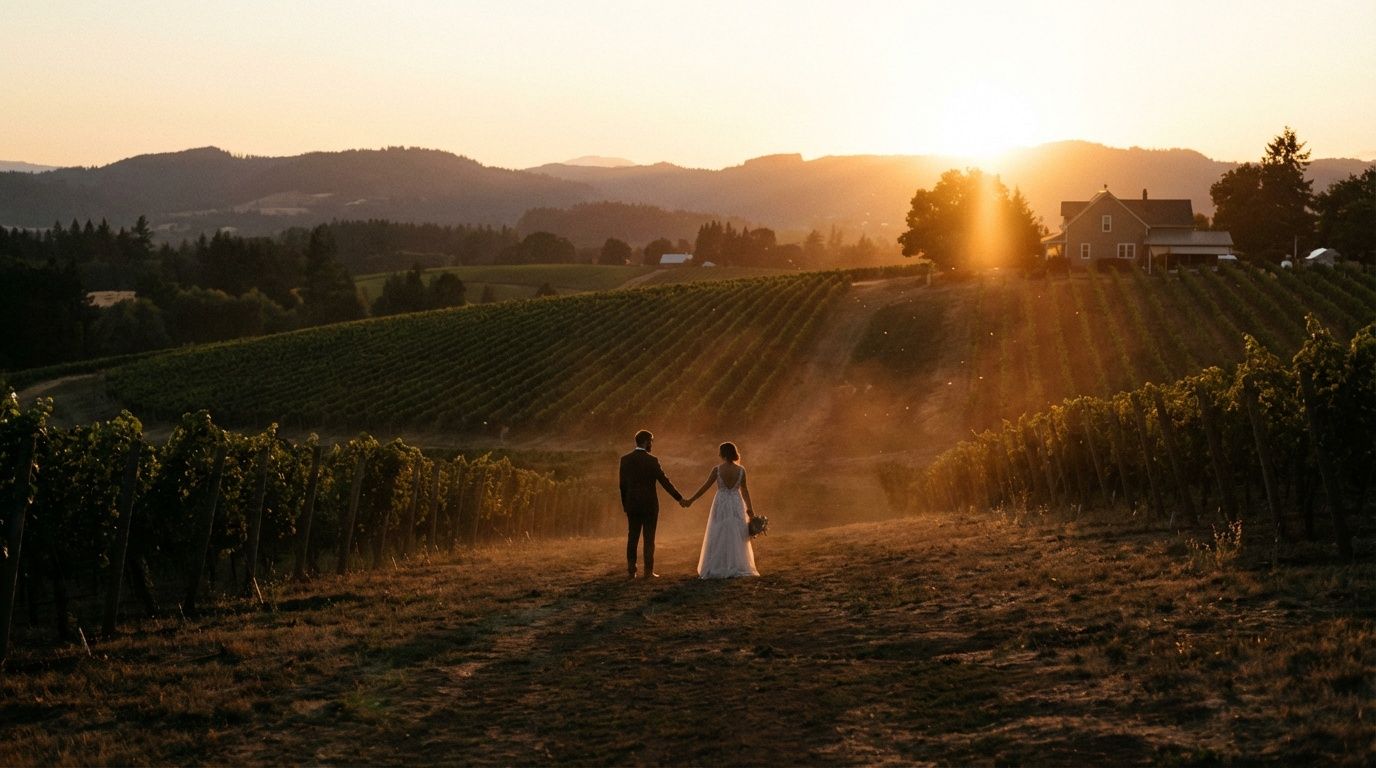
Look for vineyard estates with hilltop ceremony spaces — elevation gives a filmmaker room to work with wide establishing shots that place the entire day in the context of the Valley. When your film opens with the rows of vines stretching toward the hills at golden hour, every person who watches it feels the scale of what that day was.
What Season is Best for a Willamette Valley Wedding?
Honestly? Late summer through mid-autumn. August through October is when the Valley is at its most dramatic — the vines are heavy with fruit, the light is warm and golden, and the hills have a richness of colour that earlier months don't quite match.
September is the sweet spot. The harvest season brings an energy to the Valley that's hard to describe if you haven't experienced it — a sense of abundance and culmination that matches perfectly with what a wedding day is supposed to feel like.
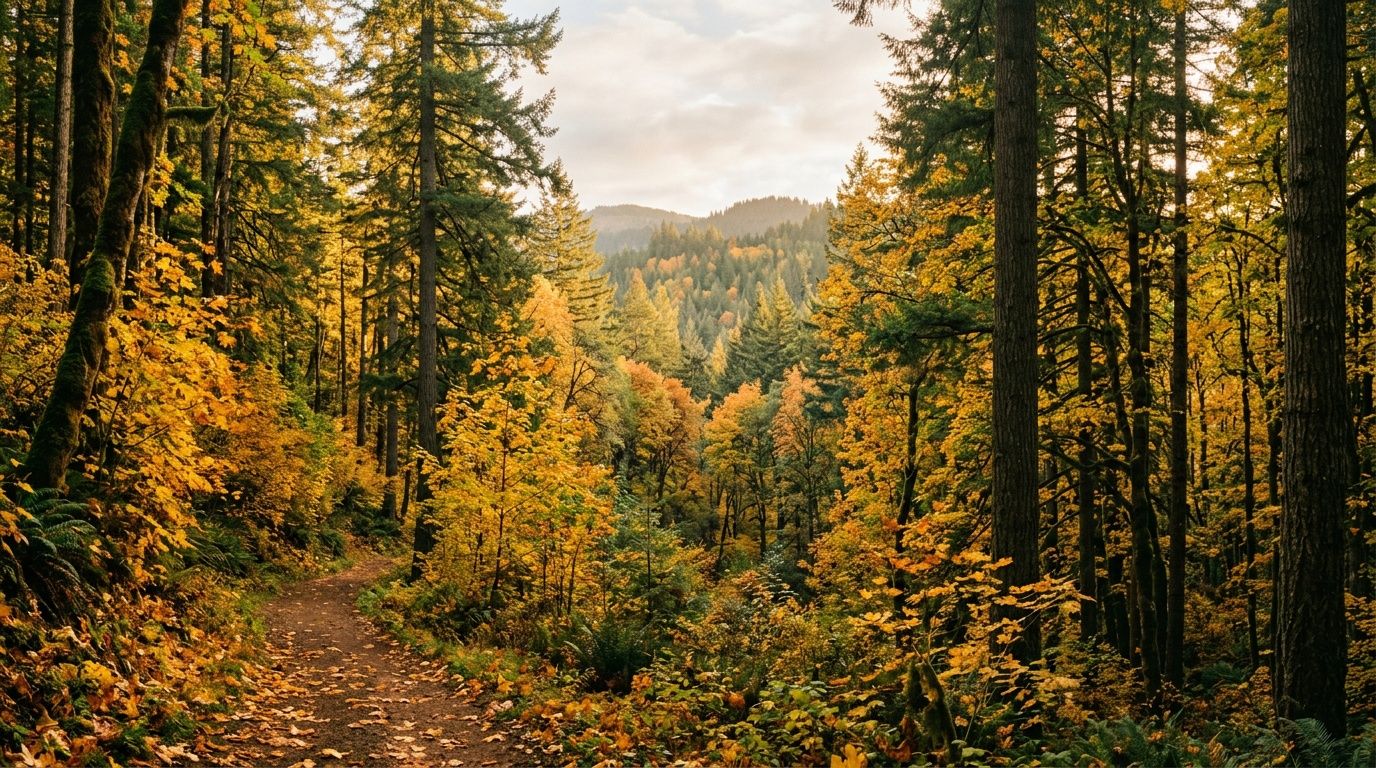
October brings something different — cooler air, turning leaves, and a moodier quality of light that works beautifully for couples who want their film to feel intimate and autumnal rather than bright and summery. Some of my favourite wedding footage has come from overcast October days in the Valley, where the soft diffused light is flattering on faces and makes every colour in the landscape pop.
Spring and early summer are also beautiful, particularly if wildflowers are important to you. The trade-off is more unpredictable weather and vines that are still early in their growth cycle — present but not as visually dramatic as later in the season.
Getting Ready in the Valley — Don't Overlook This
One thing couples don't always think about until it's too late: where you get ready sets the visual tone for the first third of your wedding film. If you get ready in a generic hotel room and then arrive at a stunning vineyard estate, there's a jarring visual gap in the story.
The best Willamette Valley venues have on-site getting-ready spaces — farmhouse suites, converted barns, or estate rooms with original architecture and natural light. When the getting-ready footage is shot in a space that feels connected to the landscape outside, the whole film has a visual continuity that makes it feel like a single, cohesive story.
Ask your venue specifically: what does the bridal suite look like? Where does the light come from? Can my videographer access the space from early in the morning? These questions matter more than most couples realise.
Working With a Portland Videographer in the Valley
The Willamette Valley sits between Portland and Eugene — accessible from both cities, but most naturally served by Portland-based wedding vendors. If you're planning a Valley wedding, working with a Portland wedding videographer means someone who knows the drive, knows the venues, and has almost certainly filmed in that landscape before.
Local knowledge makes a real difference. Knowing which hilltop catches the best light at 6pm in September, which ceremony spots are sheltered from wind, which parts of the estate look best from elevation — this is the kind of thing you learn from being there, not from a venue brochure.
At KRS Films, I've filmed weddings throughout the Willamette Valley — from vineyards outside McMinnville to estate venues near Eugene. Every time I return to the Valley, I learn something new about how to film it well.
Questions to Ask Your Willamette Valley Venue
Before you book, make sure you have clear answers to these:
- Is there a hilltop or elevated ceremony space with Valley views?
- What does the bridal suite look like — is there natural light?
- Is there a backup plan for rain that preserves the outdoor feel?
- Are there restrictions on where vendors can film or set up?
- What time does the golden hour hit the ceremony space in your preferred month?
- Is the venue exclusive use, or are there other events on the property?
- How far is the nearest accommodation for out-of-town guests?
The Willamette Valley is one of those rare places where the landscape does half the work of making something beautiful. As a filmmaker, I'm always grateful when couples choose it — because the Valley gives me something real to work with. Light, depth, texture, and a sense of place that no amount of décor or production design could manufacture.
If you're considering a Willamette Valley wedding and want to talk through venues, timelines, or what your film could look like — reach out. I'm always happy to share what I know.
Let's talk about your wedding
Planning a Willamette Valley wedding and looking for a filmmaker who knows the landscape?